
Off The Record Showcase 2026


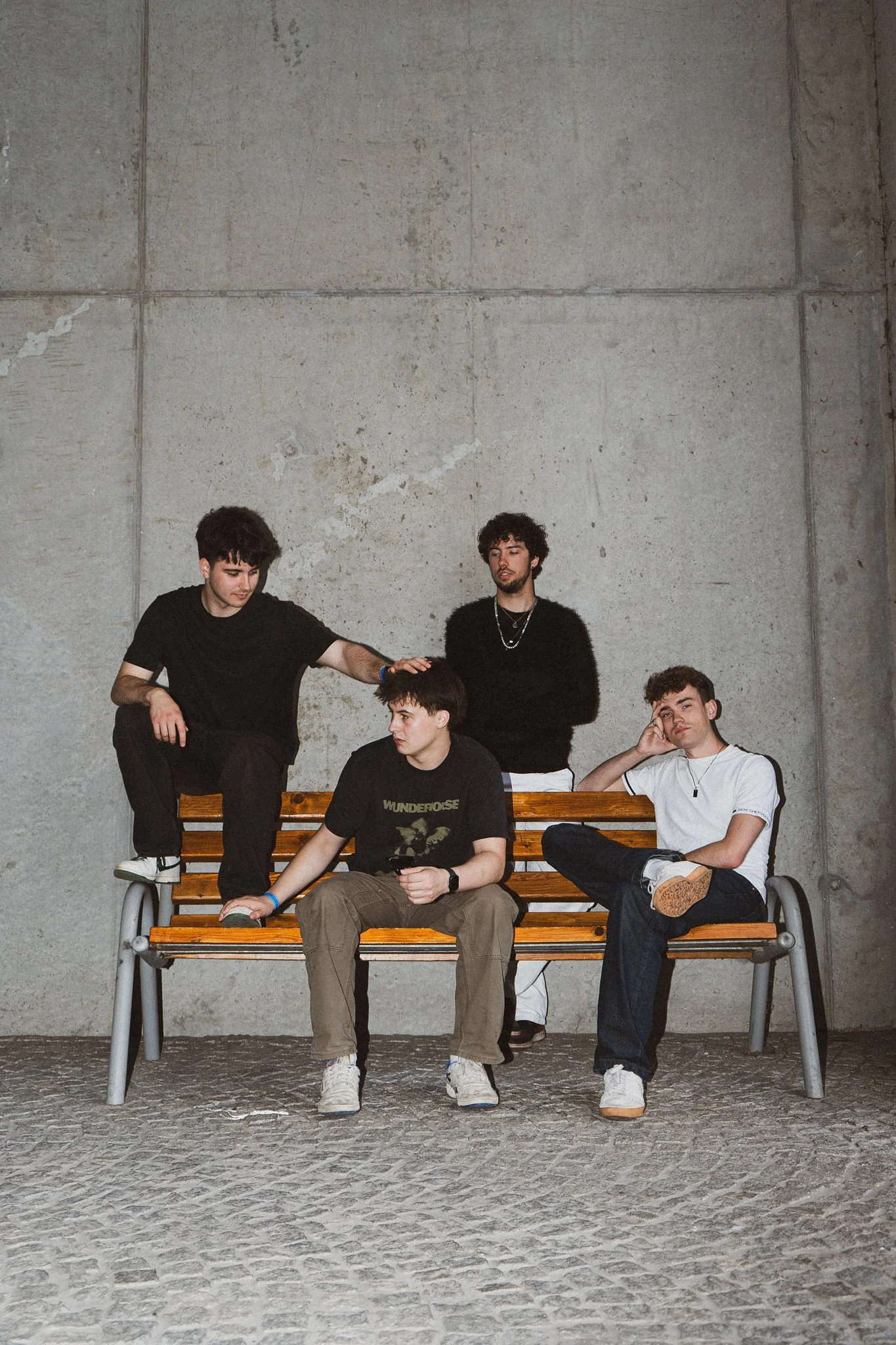

Off The Record returns November 6th for a showcase of Scotland’s most exciting emerging artists at Sneaky Pete’s, Edinburgh.
Sneaky Pete’s, Edinburgh | tickets £6
Line-up: Aleena, Jasmin Jet, My Beautiful Mistake, Niamh Morris
Off The Record 2025 Panel Videos


Music Industry Resources

Events & Industry Organisations

Funding & Mentoring

Resources
Off The Record Blog
Featured




It’s been almost six months since my last interview with Sami Omar (Up2Stndrd), where our conversation centred around one key thing: infrastructure in Scotland’s hip hop scene, and building the systems needed for its talent to prosper.
As we return to our second interview, it feels like we’ve picked up on the perfect sequel to that conversation. The hype has been circulating, and it’s almost time for The BSMNT to open its doors.